

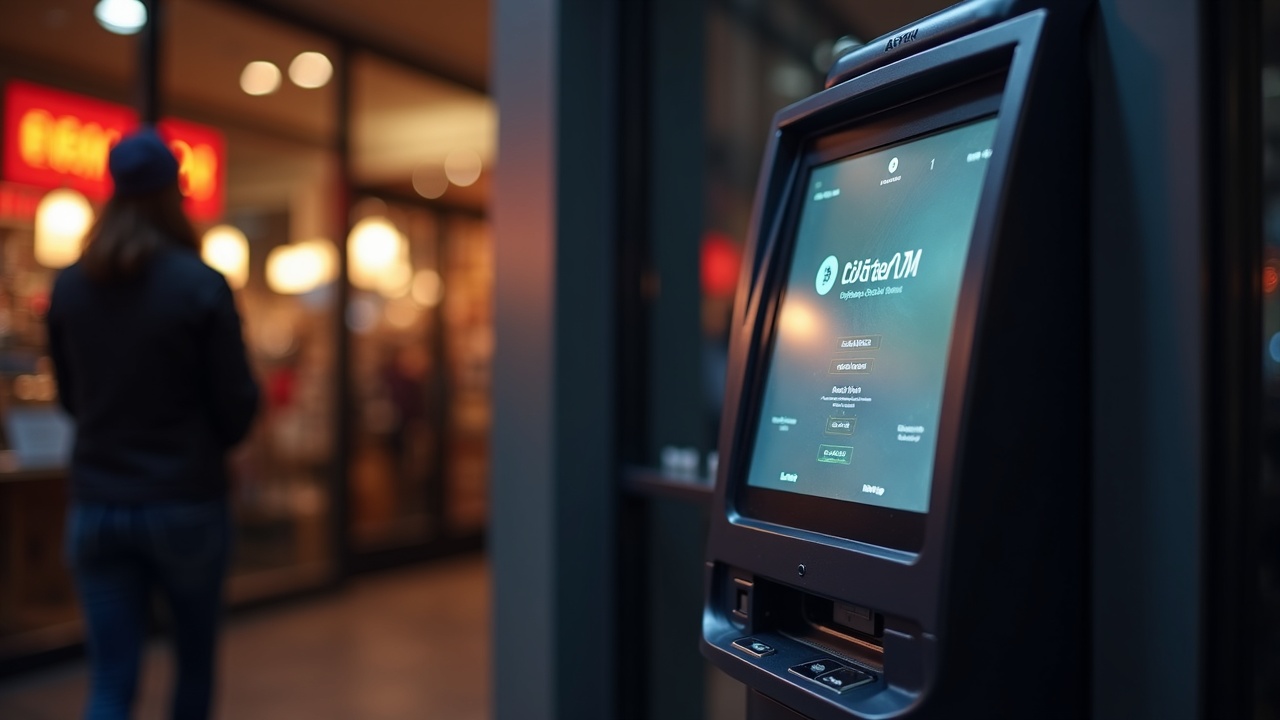
Bitcoin Bancorp plans to deploy up to 200 licensed Bitcoin ATMs across Texas beginning in the first quarter of 2026, a move that could materially widen retail on‑ramps for Bitcoin in the state. The announcement arrives amid explicit state-level steps — including a Strategic Bitcoin Reserve and a $5 million investment in a Bitcoin ETF — that suppliers say make Texas an attractive market for physical crypto infrastructure.
Expansion plan and market impact
Bitcoin Bancorp, which holds foundational patents for Bitcoin ATM technology, intends to roll out the new machines as part of a broader play to increase physical access to cryptocurrency. For many users, Bitcoin ATMs provide a cash-to-crypto on‑ramp that substitutes for online exchanges and can serve populations with limited banking access. The company expects the initial wave of installations to begin in early 2026.
The planned deployment will intensify competition with existing operators in the U.S. market, such as Bitcoin Depot and Athena Bitcoin, and may prompt further retail innovation around fees, limits and consumer interfaces. Increased machine density often improves local liquidity for small purchases but does not substitute for exchange depth needed by institutional actors.
Definition: a Bitcoin ATM is a kiosk that enables users to buy or sell bitcoin for cash or debit card in a single transaction, providing a physical entry point to cryptocurrency markets.

Regulatory tailwinds for Bitcoin ATMs and operational risks
Texas’s regulatory environment has evolved to be more permissive toward crypto businesses, including updates to money-transmitter laws that operators say reduce friction for licensed deployment. State policy signals — notably the establishment of a Strategic Bitcoin Reserve and the state’s direct ETF investment — underpin a business case for expanded physical infrastructure.
Operationally, Bitcoin ATM use carries notable user costs and security considerations. Transaction fees at such kiosks commonly sit between 7.5% and 25%, significantly raising the effective purchase price for small buyers. Security incidents affecting operators elsewhere — including a data breach at an ATM operator that exposed tens of thousands of customers — underline persistent counterparty and data‑security risks that both consumers and institutional treasury managers must weigh.
The combination of higher retail costs and security exposure creates a trade‑off: broader accessibility against elevated transaction friction and operational risk. For treasuries and trading desks, these kiosks may serve occasional tactical needs but represent a high‑cost route compared with regulated exchanges or custodial services.
The planned installation of up to 200 Bitcoin ATMs in Texas signals a deliberate push to normalize physical access to cryptocurrency while leveraging a friendlier regulatory backdrop. Market participants should expect incremental retail adoption alongside persistent fee and security frictions that limit the machines’ appeal for large or institutional flows. Next verified milestone: the first machines are scheduled to go live in the first quarter of 2026.

Natalie Pierce tracks the parts of crypto that move fast and rarely wait for everyone to catch up. From South Africa, she covers DeFi, AI crypto, hacks, airdrops, sentiment and emerging narratives, especially when user behavior and protocol risk start to overlap.
Her reporting is built for messy sectors. Natalie looks at incentives, reactions, security concerns, social momentum and early signs of traction without pretending every new trend is already proven. Her voice is clear and accessible, but careful enough for areas where excitement can outrun the facts very quickly.