

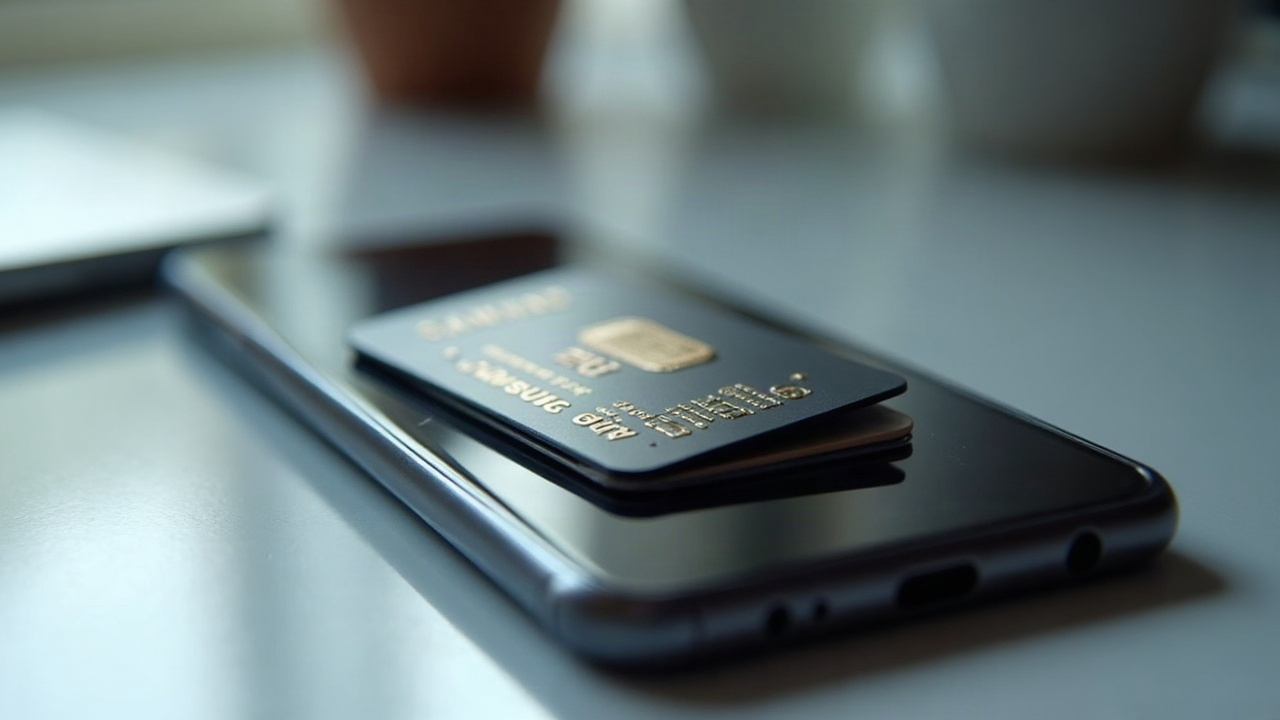
Samsung Wallet has begun rolling out its new stablecoin account for eligible U.S. Galaxy users, with Sui serving as one of the blockchain rails supporting USDC transfers. According to the Sui Foundation’s official announcement, USDC on Sui is being integrated directly into Samsung Wallet, allowing eligible users to hold, send and receive the stablecoin without installing a separate crypto application. Samsung originally scheduled the rollout for the final week of October.
Samsung says the functionality can reach approximately 82 million Galaxy devices in the United States, but that figure represents compatible devices rather than 82 million activated stablecoin users. Eligibility requires an adult U.S. resident, a compatible Samsung Wallet device running Android 13 or later, identity verification and fingerprint authentication. The service is currently unavailable to New York residents.
Sui Removes Network Fees From Eligible USDC Transfers
Sui provides a specific advantage inside Samsung’s multi-chain architecture through its protocol-level gasless stablecoin transfers. Eligible USDC transfers can execute with zero network gas and without requiring users to first acquire SUI. The mechanism removes the native-token requirement from supported peer-to-peer transfers rather than subsidizing the fee after execution.
The limitation is equally important. Sui’s gasless system applies only to allowlisted stablecoins and specific transfer operations; swaps, staking and arbitrary smart-contract interactions still require ordinary gas treatment. Samsung separately says transfers from its Stablecoin Account to compatible external wallets carry no Samsung transfer fee, while international bank payouts can carry fees depending on destination and amount. Zero network gas on Sui therefore should not be interpreted as every Samsung Wallet stablecoin service being universally free.
Sui has also expanded the surrounding USDC infrastructure through Circle’s CCTP V2 integration for native cross-chain USDC. CCTP uses Circle’s burn-and-mint model rather than wrapped tokens, allowing native USDC to move between Sui and other supported networks. That infrastructure broadens potential liquidity routes into Samsung’s Sui rail, although connectivity alone does not establish transaction volume or adoption inside Samsung Wallet.
Bastion and Coinbase Handle Custody
The consumer experience is also more custodial than a conventional blockchain wallet. Samsung provides the interface, but Bastion operates the stablecoin account, custodial wallet and money-movement infrastructure. Coinbase serves as Bastion’s sub-custodian through Coinbase Prime. Users interact with blockchain assets through Samsung Wallet without managing the underlying private keys themselves.
That same architecture supports Samsung’s broader multi-chain strategy. The company has also integrated USDC transfers using Solana alongside Sui, with both networks operating beneath the same consumer-facing stablecoin account. Users can send USDC to compatible external wallets, other Samsung Wallet users and eligible bank accounts in more than 60 countries, where recipients may receive local currency.
Samsung’s current implementation therefore combines a familiar mobile interface, regulated custody and multiple public settlement networks rather than turning Galaxy phones into self-custody hardware wallets. Future tap-to-pay and online stablecoin payment capabilities remain prospective features. The measurable adoption indicators will instead be activated accounts, transfer volumes and repeat usage now that the U.S. rollout has begun.

Jack Reynolds is SatoshiPick’s infrastructure mind. Based in Denmark, he follows Bitcoin, Ethereum, Layer 1 networks, stablecoins and DeFi with a practical question always in the background: does this actually make crypto work better?
His articles focus on the systems beneath the headlines: settlement rails, protocol upgrades, stablecoin usage, DeFi coordination and the regulatory limits around them. Jack avoids turning technical coverage into a maze. He explains what is live, what is still experimental and why the difference matters.