

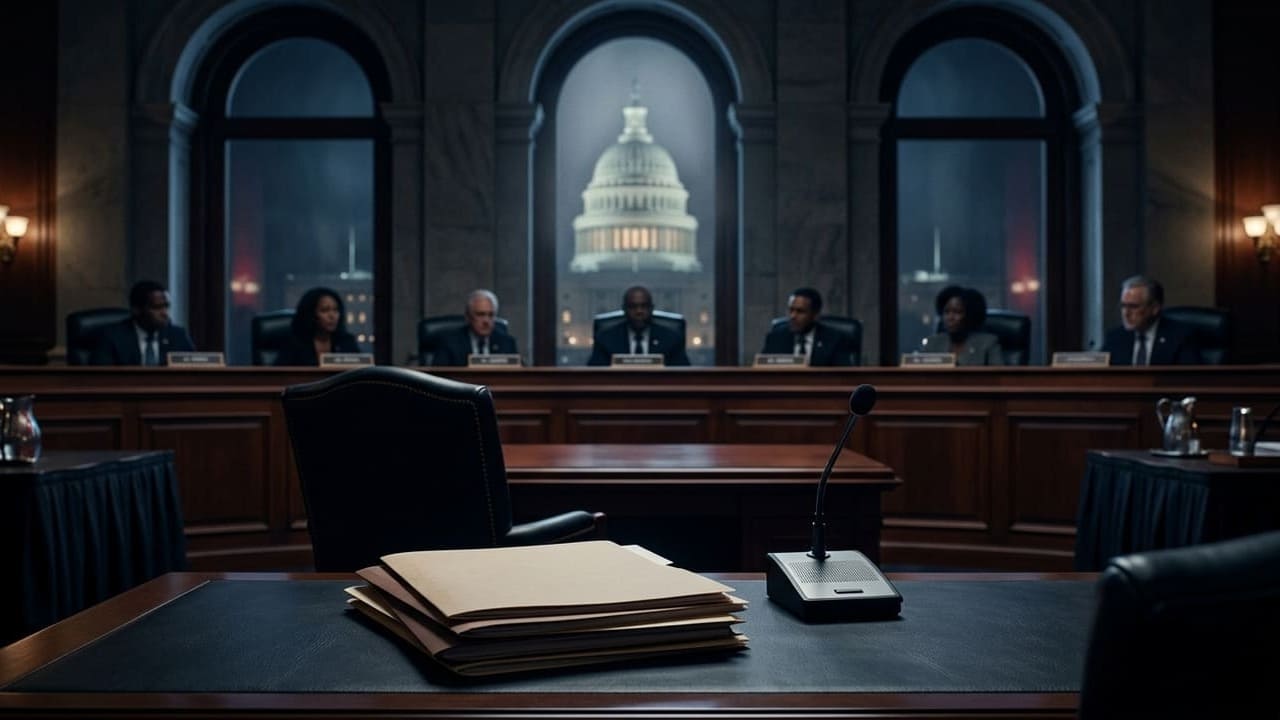
U.S. midterms on November 3, 2026, could expose crypto companies and regulators to fresh congressional investigations, even without immediate policy changes. An October 13 Reuters report said a Democratic majority in either chamber could bring subpoenas, hearings, and additional investigative staff.
The scrutiny could examine industry relationships with the Trump administration, regulatory enforcement decisions, and financial transactions involving digital assets. However, the election results would determine who controls these investigative tools, not automatically rewrite existing crypto rules.
U.S. Midterms Could Shift Congressional Oversight
Congressional committees can demand documents and testimony when their leaders authorize investigations within their jurisdiction. According to a Reuters report, a change in control could give Democratic chairs greater authority to summon corporate executives and agency heads.
Law firm Paul Hastings separately identified subpoenas, depositions, and committee hearings among the mechanisms available to congressional investigators. Such proceedings could require companies to answer questions about business practices while regulators defend their decisions before lawmakers.
Some inquiries have already begun taking shape. Kevin Barstow, an attorney at O’Melveny, told Reuters that clients had received letters concerning several issues, including interactions with the administration. He said his firm was preparing clients for the possibility that some inquiries would become formal investigations. However, Reuters did not identify the affected businesses or committees, leaving the scope of any future proceedings unconfirmed.
The House Financial Services Committee could become a particular focus. Reuters reported industry concern that Representative Sean Casten might challenge Representative Maxine Waters for the committee’s Democratic leadership. The potential challenge remains a reported scenario, not a confirmed change in leadership.
Casten supported stronger crypto restrictions and opposed the CLARITY Act in 2025, according to Reuters. His spokesperson declined to comment on the possible leadership challenge.
Existing Disputes Extend Beyond Corporate Conduct
Democratic lawmakers have already questioned federal crypto oversight. In January 2026, House Financial Services Democrats challenged Securities and Exchange Commission Chairman Paul Atkins over the agency’s retreat from enforcement actions.
Their letter cited at least 12 crypto-related cases dismissed or closed since January 2025. That figure reflected the lawmakers’ assessment, rather than a finding that the decisions violated the law.
Separately, Reuters reported Democratic plans to examine Trump family connections to cryptocurrency and prediction markets. Representative Ro Khanna raised potential national security concerns about financial transactions during a September 30, 2026, interview.
The administration has defended its approach as supporting innovation and keeping jobs and investment in the United States. Prediction market operators, meanwhile, have said they work to prevent misconduct.
The legislative backdrop adds another source of uncertainty. On September 15, 2026, the Senate failed to advance the CLARITY Act by a 50–49 procedural vote. The proposal needed 60 votes to proceed and aimed to define federal oversight of digital assets. Its failure left regulators handling policy questions without the full statutory framework the bill proposed. That unresolved legislative debate is distinct from congressional investigations, but both could shape how lawmakers scrutinize the administration’s crypto policy and regulatory decisions.
Investigations Bring Costs Without Automatic Rule Changes
Congressional oversight could affect crypto regulation indirectly through questions directed at regulators, rather than through immediate legislative changes. Reuters said responding to lawmakers can occupy officials and slow their work on contentious initiatives. For companies, attorneys identified legal expenses, advisory costs, and damaging publicity as separate concerns. These are potential consequences, not guaranteed outcomes of an inquiry.
Reuters cited Webull shares falling to a near four-month low after a congressional report examined its China ties. The example concerned another financial company, not a documented market reaction by a cryptocurrency business. Likewise, an inquiry would not itself prove wrongdoing or establish that a firm’s licenses or regulatory treatment must change.
The U.S. midterms therefore present two separate but related issues: unfinished crypto legislation and potentially wider scrutiny of existing decisions. The election could change which lawmakers lead congressional oversight, but neither a congressional investigation nor an election result alone would determine the final shape of federal crypto regulation.

I write about the Web3 industry, with a focus on making developments clear and relevant to readers. My experience includes covering breaking news, market trends, and major events across the crypto space, combining research with an editorial approach to explain what is happening and why it matters.
My background also includes working at NFT news medias, where I strengthened my skills in blockchain research, SEO writing, and editorial collaboration. I enjoy working on news, opinion pieces, market analysis, and regulatory coverage, always aiming to deliver accurate, engaging content that readers can trust.