

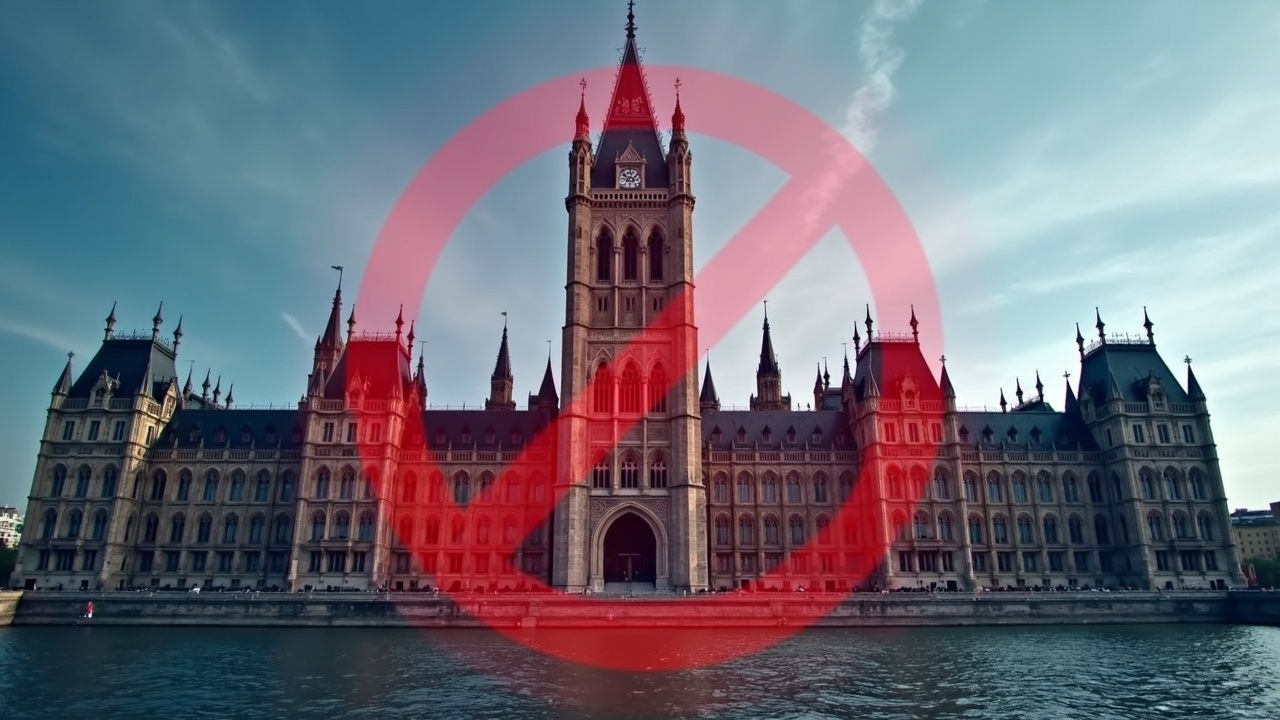
Canada’s House of Commons has advanced Bill C-25, the Strong and Free Elections Act, sending the measure to committee after a second-reading vote on April 24, 2026. The bill would explicitly prohibit cryptocurrency donations in federal politics, placing digital assets alongside other payment instruments treated as too difficult to trace under the Canada Elections Act.
The change gives political parties, campaign teams, vendors and custodians a clearer operating standard. Crypto contributions would not simply be discouraged; they would become impermissible donations subject to return or forfeiture rules.
Crypto Moves Into the Prohibited Donation Category
The government introduced Bill C-25 on March 26, 2026. After passing second reading on April 24, the legislation moved to committee for clause-by-clause review, where lawmakers will examine the technical scope and any possible amendments.
The bill’s core rule is straightforward: federal political actors would be barred from accepting cryptocurrency donations. If an illegal contribution is received, recipients would need to return it or turn it over to the federal finance department within 30 days.
The measure treats crypto alongside instruments such as money orders and prepaid payment products, reflecting a concern that these channels may not provide sufficient traceability for political-finance compliance. For campaign operations, that framing turns crypto from a payment option into a controlled-risk item that must be blocked, quarantined or remediated quickly.
Compliance Work Shifts to Intake and Remediation
The near-term market impact is likely limited. Since 2019, existing rules have already constrained the use of cryptocurrencies in federal campaigns, and there are few documented examples of parties accepting crypto donations at scale. In practice, Bill C-25 appears to formalize an existing compliance posture rather than disrupt meaningful on-chain political flows.
Still, the operational implications are real. Parties and campaign vendors will need to review donor intake systems, ensure payment rails cannot accept prohibited tokens and update reconciliation controls to identify unexpected crypto receipts. Custodians and institutional treasuries connected to political fundraising will need workflows for freezing, returning or surrendering impermissible funds within the statutory deadline.
Legal and finance teams should also align internal procedures with federal receipt requirements. The key control point is the 30-day remediation window, which makes detection speed and recordkeeping central to compliance.
The committee stage will determine whether the bill’s language changes before final passage. For market participants, the next milestones are the committee report and subsequent parliamentary votes. Those outcomes will decide whether existing controls are enough or whether campaign payment gateways, custodial tools and reporting systems need technical updates.

Owen Bennett covers crypto’s most restless corners: altcoins, memecoins, airdrops, launchpads, NFTs and gaming. Based in Canada, he follows the markets where communities form quickly, attention rotates without warning and a real catalyst can sit next to a mountain of hype.
Owen’s job is to sort the signal from the spectacle. He looks at launches, retail rotations, community traction, token ecosystems and speculative narratives without dressing every project up as the next big winner. His writing keeps the energy of these sectors, but with enough distance to avoid getting swept away by them.